




What Is Agile Scrum Methodology?
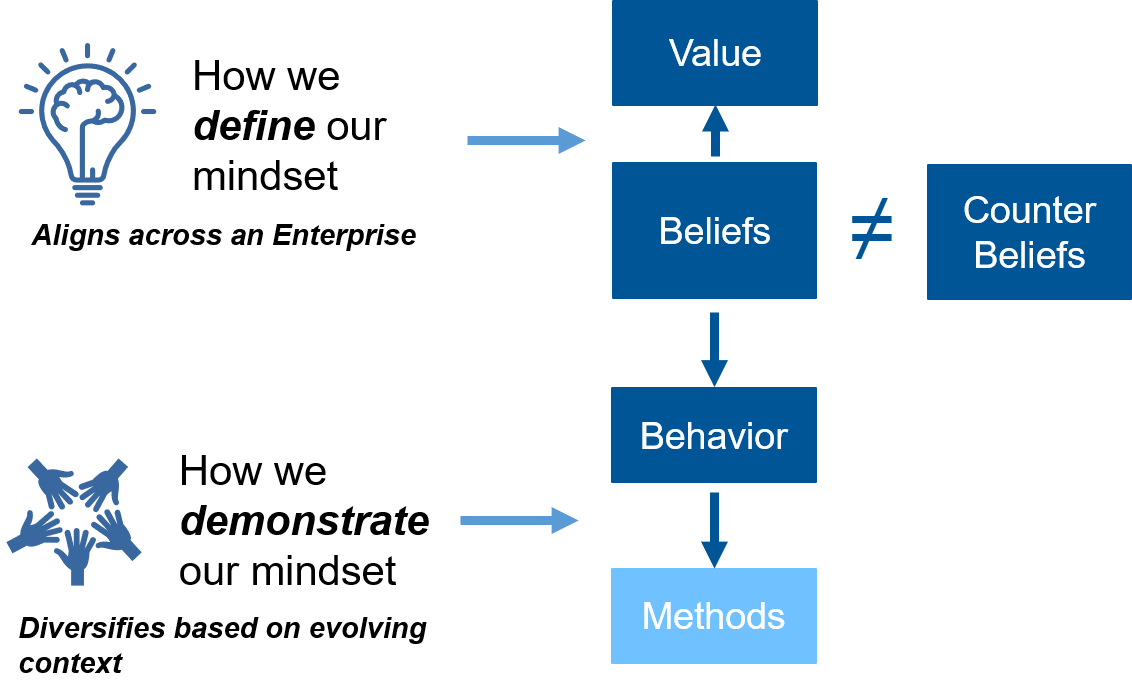
To learn about Agile Scrum methodology, first, let us give you more information about Scrum and Agile. Scrum is probably the most popular and recognizable business term than agile. However, Agile, in terms of practice and principle, often needs to be clarified with Scrum, leading to a narrowed perception of what it means to be agile or, more importantly, to increase agility. This conflation is natural, if frustrating, for some of us, as Scrum is still the most popular and widely implemented of the agile methodologies out there.The misconception is that Scrum’s specific practices, like sprints, stand-ups, and retrospectives, are synonymous with agility, neglecting the broader agile ethos, which emphasizes adaptability and collaboration in its many forms.This narrow focus on Scrum not only restricts the understanding of Agile’s full potential but also leads to the implementation of Scrum without a deep appreciation of its underlying Agile principles, thereby diluting the effectiveness of Scrum itself.
What is Scrum?
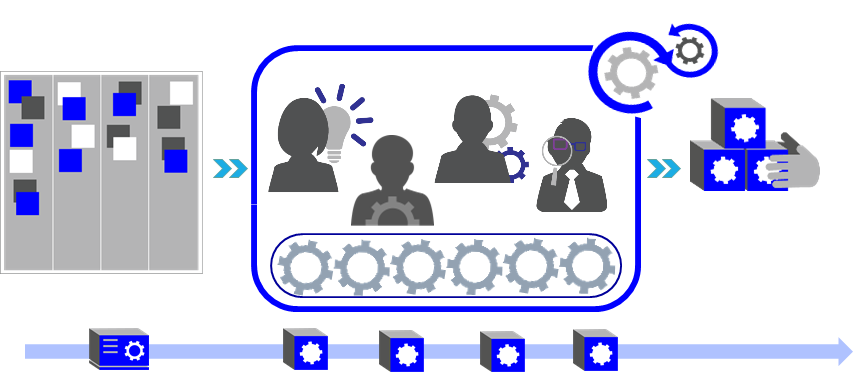
While Agile and Scrum are often used interchangeably, Scrum' is a specific framework within the broader Agile paradigm. Let us discuss Scrum more to make you aware of all its characteristics in Scrum Agile methodology.Scrum is a framework or a methodology that is used to support the development and delivery of complex products, primarily in software development but applicable in other fields as well. Scrum structures work into short, iterative cycles known as Sprints, typically lasting two to four weeks. Within these Sprints, cross-functional teams work collaboratively to produce a potentially shippable product increment. The Scrum framework includes roles like the Scrum Master, Product Owner, and the development team, as well as events and artifacts designed to promote transparency, inspection, and adaptation. Scrum events consist of Sprints (time-boxed periods for creating a product increment), Sprint Planning (defining what to deliver in the next Sprint), Daily Scrum (daily team meetings for synchronization), Sprint Review (evaluating the completed work), and Sprint Retrospective (reflecting on the process to make improvements). Scrum artifacts include the Product Backlog (an ordered list of everything needed in the product), the Sprint Backlog (selected items for the Sprint with a delivery plan), and the Increment (the sum of completed items from the Sprint, adding to all previous increments). These events and artifacts collectively facilitate transparency, inspection, and adaptation in the product development process.Scrum is focused on enabling teams to deliver value effectively, fostering an environment of continuous improvement and responsiveness to change rather than just managing projects. These were the points about Scrum in order to have a better understanding of Agile Scrum methodology.
What Is the Difference Between Agile and Scrum?
Now, you may have a question about the differences between agile and Scrum in Agile vs. Scrum methodology. In fact, Agile and Scrum are related concepts in software development and overall value creation, but they differ in both scope and application:
Agile
Agile is a broad philosophy or mindset encompassing values and principles inspired by the Agile Manifesto. It's an approach to value creation that emphasizes incremental delivery, collaboration, flexibility, and customer feedback.Agile represents a conceptual framework for flexibly and adaptively undertaking software engineering projects. It can be applied through various methodologies like Scrum, Kanban, Lean, etc.
Scrum
On the other hand, Scrum is a specific framework that provides a concrete example of how to apply Agile principles in a lightweight but deliberate matter. It provides a detailed, defined set of roles, events, and artifacts to guide teams in implementing Agile principles.Scrum is one of the many ways to practice Agile, focusing on delivering products in short cycles (Sprints) under the leadership of scrum masters and product owners to enable frequent feedback and continuous improvement.In summary, in Agile Scrum methodology, Agile is the philosophy of adaptable, customer-centric software development. In contrast, Scrum is a specific implementation of that philosophy, providing a detailed framework for its practice. Scrum can and often is a good starting point for organizations transitioning to Agile, but it should be seen as one part of a broader, more holistic Agile transformation journey. This journey involves moving beyond any framework and embracing a mindset conducive to long-term innovation and resilience in a rapidly changing business landscape.
What Are Some Benefits of Scrum?
In Scrum methodology of Agile, you should know the advantages of Scrum. The benefits of Scrum can be significant, mainly when used as part of a broader organizational transformation. There are some benefits of Scrum that we mention here:
1. Enhanced Flexibility and Adaptability
Scrum offers high adaptability, allowing teams to pivot and make changes based on evolving requirements or feedback. This adaptability is crucial in today’s fast-paced and uncertain business environment.
2. Improved Product Quality
By focusing on iterative development and frequent testing, Scrum helps identify and fix defects quickly, reduces the time to market, and ensures a higher quality of the end product.
3. Better Stakeholder Engagement
Regular reviews and updates in Scrum keep stakeholders involved and informed. This ongoing engagement means that expectations are managed, and feedback is integrated into the development process.
4. Increased Team Accountability and Ownership
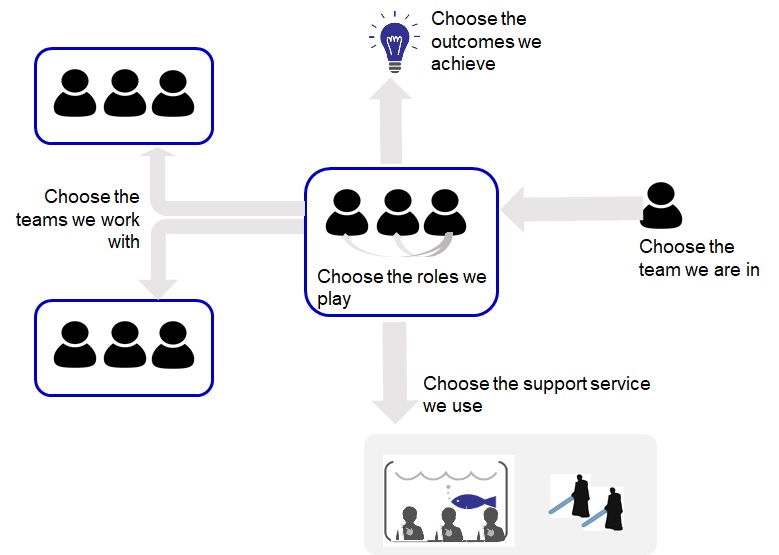
Scrum encourages a self-organizing, cross-functional team structure. This autonomy fosters a sense of ownership among team members, leading to higher motivation and improved performance. Scrum fosters a collaborative environment, encouraging teamwork and better communication, which is vital for the success of any project.
5. Faster Delivery of Value
Scrum's iterative approach allows teams to deliver working increments of the product regularly. This means value is paid consistently throughout the project, not just at the end.
6. Enhanced Risk Management
Regular sprints and continuous feedback loops in Scrum make identifying and addressing risks easier, reducing the potential impact on the project.
7. Continuous Improvement
The retrospective phase in Scrum is dedicated to reflecting on the past Sprint and identifying areas for improvement. This ensures that the team is continuously evolving and improving its process.
8. Focus on Customer Value
Scrum emphasizes delivering value to the customer, encouraging teams to prioritize work that offers the highest business value.
9. Greater Visibility and Transparency
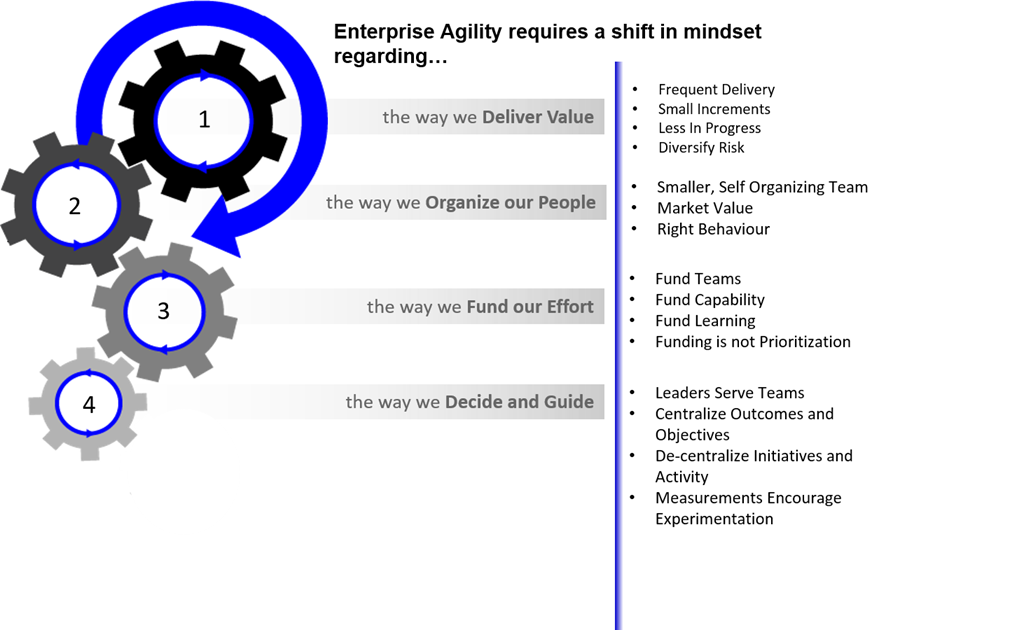
The regular meetings and updates in Scrum provide all stakeholders with a clear view of progress, challenges, and changes in the project.However, it's important to remember that these benefits are most effectively realized when Scrum is integrated into a culture that is looking to embrace a more Agile mindset. This means moving beyond the mechanics of Scrum to foster an environment of continuous improvement, adaptability, and focus on delivering incremental value.In such an environment, Agile and Scrum become more than a set of practices; they become catalysts for sustainable organizational agility and innovation.
How to get started with Scrum
Getting started with Scrum involves understanding and implementing a specific framework within the broader Agile methodology. From our perspective, which emphasizes a holistic and adaptable approach to Agile, initiating Scrum should be considered carefully in a way that considers the organization's overarching goals for agility and innovation. Here's a roadmap to begin this journey:
1. Build a Foundation of Agile Understanding
Before diving into Scrum, ensure a solid understanding of Agile principles and values across the team, especially organizational leaders. This foundational knowledge of Agile is crucial for the successful adoption of Scrum.
2. Educate and Train the Team
Invest in training for team members on the specifics of Scrum. This includes understanding the roles (Scrum Master, Product Owner, Development Team), ceremonies (Sprints, Sprint Planning, Daily Stand-ups, Sprint Reviews, Sprint Retrospectives), and artifacts (Product Backlog, Sprint Backlog).
3. Define Roles Clearly
Allocate roles carefully, ensuring each team member understands their responsibilities. Emphasis on the support and self-organizing stance that leadership roles need to play. The Scrum Master facilitates the process, the Product Owner facilitates the product backlog, and the Development Team self-organizes to accomplish tasks.
4. Start with a Light House
Form a suitable lighthouse team to start implementing Scrum. The initiative should be manageable in size and scope, allowing the team to apply Scrum principles and practices in a controlled environment.
5. Implement Scrum
Begin by organizing the work into Sprints and start using Scrum ceremonies and artifacts, including regular planning, review, and retrospective meetings, as well as maintaining and prioritizing the product backlog.
6. Emphasize Collaboration and Communication
Foster an environment of open communication and collaboration. Encourage team members to share ideas and feedback regularly, both within the team and with stakeholders.
7. Identify Impediments and Implement Improvements
It's a reality that almost every team, starting with Scrum, will fail to meet their sprint commitments. A combination of culture, organization, training, technical debt, bureaucracy, incentives, and support functions all conspire to make delivering every Sprint impossible. For this reason, continuous improvement becomes essential for teams using Scrum.
8. Scale, Evolve, and Improve
Once comfortable with Scrum in the lighthouse team, consider scaling the methodology across other teams. Hence, always remember that Scrum should evolve to fit your organization's unique context.
9. Cultivate an Agile Culture
Remember, adopting Scrum is not about processes and tools; it's about fostering an Agile culture. Also, encourage an environment that values adaptability, continuous learning, and customer-centricity.
Limitations Of Scrum
It can be really helpful for you to know about Scrum’s limitations if you are interested in Agile Scrum methodology. Actually, Scrum, while a popular Agile framework, has several limitations that are often overlooked. One of the primary limitations is its prescriptiveness and rigidity. Scrum dictates the roles, events, and artifacts teams *must* use. It’s not that Scrum has a lot of these.You have to use the whole thing, or ‘you aren’t doing scrum.’ This rigidity emphasizes following the rules vs understanding the game. It shows a lack of flexibility and adaptability that are core to Agile in the first place. Teams are much better off attending to various practices that exhibit the mindset of adhering to the rituals of Scrum. We often see 'doing Scrum' trumping 'being Agile,' where the focus is more on following Scrum to the letter, and often not the spirit than on adapting and evolving processes to meet the team's and organization's unique needs.Scrum’s biggest fail in my book does not lead to the kind of organizational transformation that its adherents suggest it will. Remember a big part of implementing Scrum is Identify Impediments and Implement Improvements.Well, teams can identify as many organizational impediments as they want, but the real meaty ones require structural and cultural change at the enterprise level. In most cases, when teams fail to make velocity because of reported impediments, it is not the organization that changes. It is the way teams use Scrum that changes, and not for the better. Are teams not getting to customers frequently? Focus on delivery velocity instead. Is delivery velocity not good? Let’s focus on development velocity. BAs don’t want to work with developers? Let us have separate BA and dev scrum teams. Scrum’s all-or-nothing attitude often leaves us with nothing from an agility perspective. Scrum has no natural language to address partial progress toward agility. As a result, teams get good, or not so good, at adopting scrum mechanics but progress very little in terms of actual agility. For organizational change to work sustainably, it has to be about that partial, imperfect journey.
The Aspects of Testing Using Scrum
In Agile Scrum methodology, testing in Agile environments, mainly when using Scrum, marks a significant shift from traditional testing approaches. This evolution in testing methodology is not just a change in technique but a transformation in mindset and practice.Testing in Agile using the Scrum methodology presents unique aspects that differ significantly from traditional testing approaches. In a Scrum environment, testing is integrated into the development process and occurs continuously throughout the product's lifecycle. This contrasts with the waterfall model, where testing is a distinct phase that follows development.In Scrum, testers are part of the cross-functional team and collaborate closely with developers, product owners, and other stakeholders. This integration facilitates early and frequent testing, allowing for immediate feedback and the early detection of issues, which aligns with Agile principles of iterative development and customer satisfaction through early and continuous delivery of valuable software.However, this integrated approach to testing in Scrum also brings challenges. Since Scrum operates in short cycles or sprints, there is constant pressure to push quickly and efficiently. Testers must adapt to these time constraints without compromising the quality of testing. This often requires a shift towards automated testing to manage repetitive and regression testing more effectively within the sprint timeframe. Additionally, the evolving requirements in Agile can make it challenging to maintain a consistent and coherent test strategy. Testers need to move away from separate test plans, testing artifacts and tools and leverage the same artifacts that can be referenced by the entire team, for example, stories, acceptance criteria and test cases that use approaches such as behaviour-driven development.This is the only way they will be able to stay in lockstep with changing requirements and priorities that emerge during the sprint planning and review processes.In summary, the effectiveness of testing won’t be dependent on adherence to Scrum rituals. Teams will need to cultivate a testing mindset that is flexible, collaborative, and geared towards continuous improvement. This means employing additional testing techniques, such as exploratory and test-driven approaches and fostering an environment where learning and adaptability are valued over strict adherence to processes.
Conclusion
In conclusion, the Agile and Scrum methodology, while a pivotal and widely recognized methodology within the Agile framework, has limitations and challenges. It's essential to understand that Scrum is one of many ways to apply Agile principles and should not be mistaken for Agile.Scrum's structured approach, with its specific roles, events, and artifacts, offers a clear pathway for teams to begin their Agile journey. However, it's crucial to remember that true agility comes from a mindset that values adaptability, collaboration, continuous improvement, and customer-centric development rather than rigid adherence to any particular set of practices.The practical implementation of Agile Scrum, particularly in areas like testing, requires an emphasis on flexibility and continuous learning. Organizations should strive to integrate Scrum into a broader culture that embraces these Agile values. This means focusing on the spirit of Scrum, encouraging teams to adapt and evolve their practices in response to their unique contexts and challenges, and ensuring that the processes and rituals serve the ultimate goal of delivering value.